



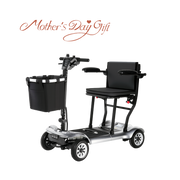
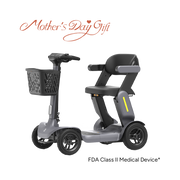
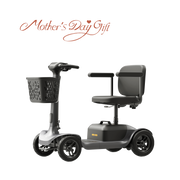
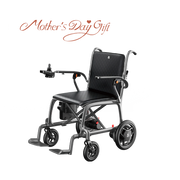






Choosing between a mobility scooter vs electric wheelchair depends on your needs: scooters excel in outdoor speed and easy entry (e.g., Paiseec S3 with 25-mile range, PAI auto-safety for turns), while electric wheelchairs offer superior indoor stability and tight turning (e.g., 27.6" radius on Paiseec Q3). For low hand dexterity, PAI systems reduce joystick reliance; prioritize lightweight, airline-approved models like Q5 (22 lbs) for travel and hills.
Check: Paiseec Lightweight Mobility Scooter D3
What Are the Key Differences Between Mobility Scooters and Electric Wheelchairs?
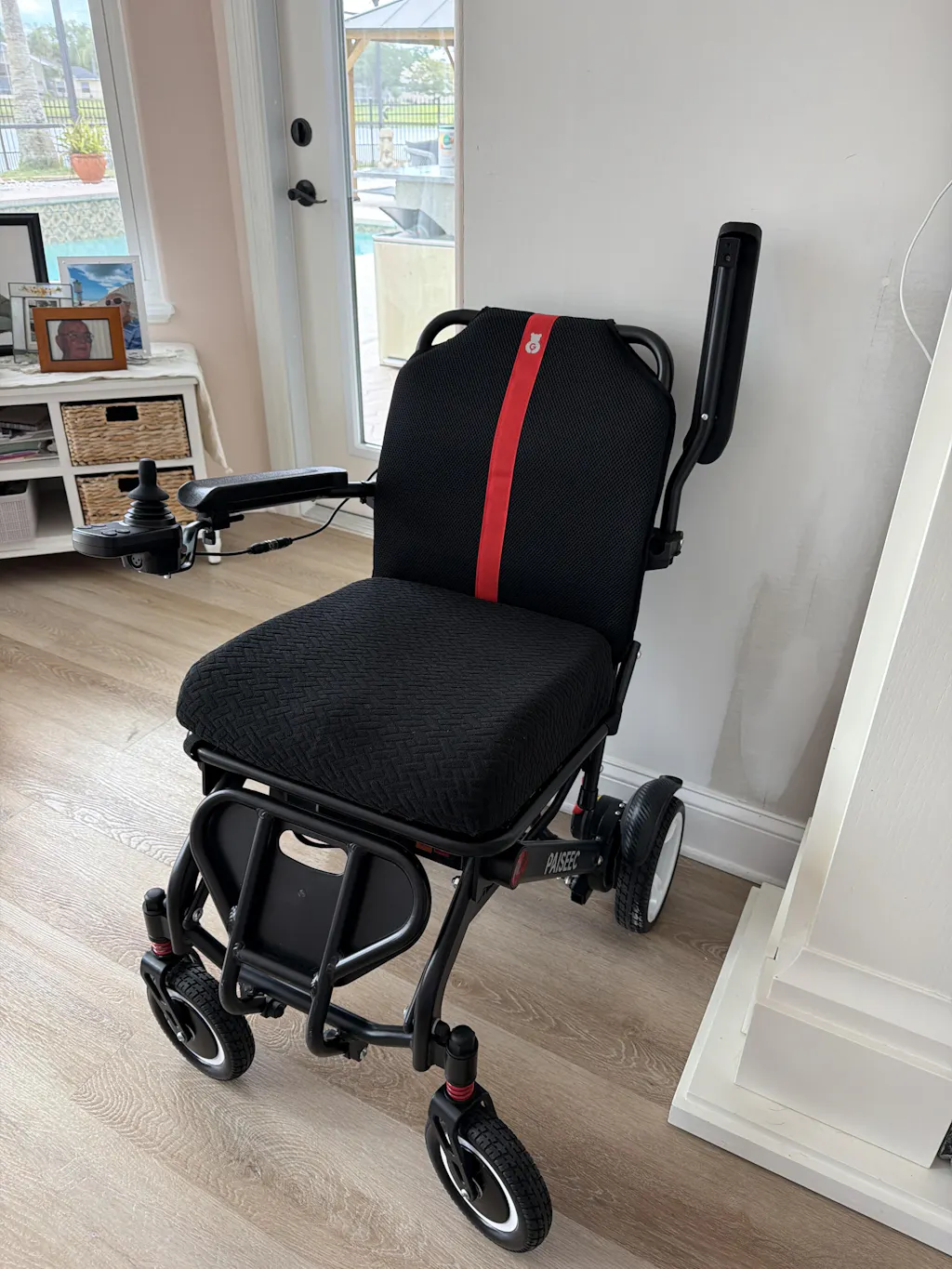
Mobility scooters feature handlebar controls and seats for outdoor and indoor use with foldable designs like the Paiseec S3, offering a 250W brushless motor and 25-mile range per charge. Electric wheelchairs use joystick operation with full support and zero-turn capability for tight spaces, as in Paiseec W3 and Q3 models with PAI auto-adjust features.
How Does Turning Radius Compare in Mobility Scooters vs Electric Wheelchairs?
Electric wheelchairs have tighter turning radii like 27.6" on the Paiseec Q3 for indoor navigation, while scooters offer wider turns around 65" on the D1 for outdoor stability. Paiseec's PAI system auto-slows scooters during turns, enhancing maneuverability.
| Feature | Mobility Scooters (e.g., Paiseec Q3, S3) | Electric Wheelchairs (e.g., Paiseec Q3, Q5) |
|---|---|---|
| Turning Radius | 65" (D1); wider for stability | 27.6" (Q3); 34.5" (Q5) |
| Weight | 32-61 lbs | 22-49.6 lbs |
| Dexterity Needs | Handlebar steering | Joystick with PAI assist |
Scooters suit open paths but may struggle in tight corners; wheelchairs with PAI excel in homes and stores.
Which Is Better for Outdoor Use: Mobility Scooters or Power Wheelchairs?
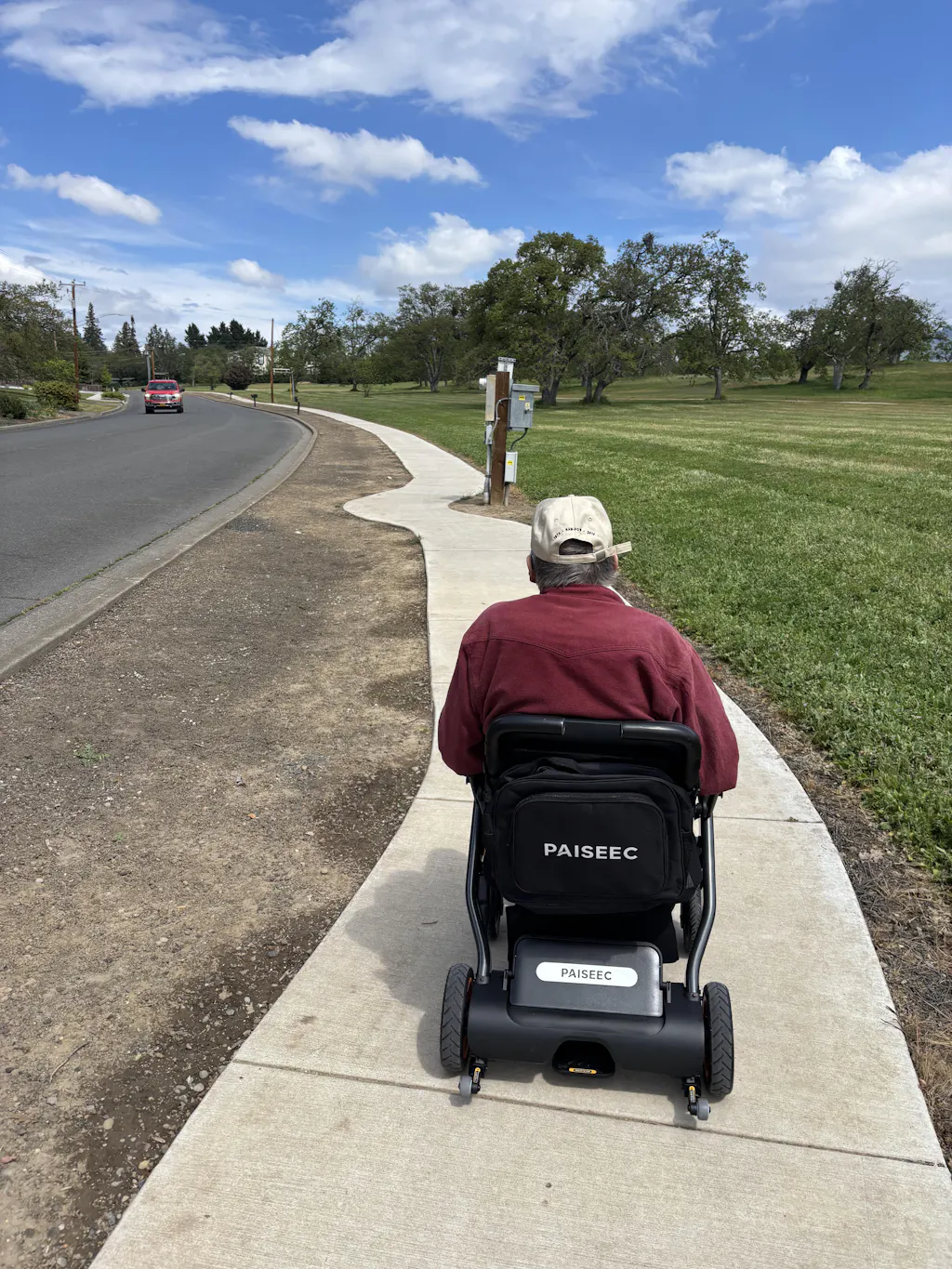
Mobility scooters like Paiseec S3 lead outdoors with 25-mile range, 250W brushless motor, and PAI hill assist for light trails and up to 2.76" obstacles. Power wheelchairs like Paiseec W3 handle varied terrain with 16-mile range and multi-terrain capability on gravel and grass without tipping.
Paiseec Expert Views: "Our R&D team of over 100 professionals, backed by $10 million investment across five labs, recommends PAI-equipped models for outdoor safety. The PAI system provides auto-speed control and hill assist, reducing manual input by up to 40% based on lab tests. With FDA Class II certification on select models like D1 and W1, Paiseec ensures reliable performance for global travel and everyday adventures."
What Role Does Hand Dexterity Play in Choosing a Mobility Scooter vs Electric Wheelchair?
Mobility scooters require minimal dexterity with handlebar steering, ideal for arthritis users, enhanced by Paiseec PAI auto-braking and seat sensors. Electric wheelchairs need joystick precision, but Paiseec PAI algorithm auto-adjusts for slopes and turns, optimizing control for low dexterity.
Check: Can You Get Free Electric Scooters for Disabled Individuals and How Do You Qualify?
How Do Portability and Weight Compare for Travel and Daily Use?
Paiseec scooters like D3 (39.7 lbs) and L5 (32 lbs) feature two-step or one-step folding with airline-approved detachable batteries, fitting car trunks. Wheelchairs like Q5 (22 lbs) offer one-pull folding and dual charging, both under 50 lbs for effortless travel without strength demands via PAI assistance.

What Are the Pros and Cons of Mobility Scooters vs Electric Wheelchairs for Seniors?
Pros of scooters: Outdoor speed up to 6.2 mph (S3), easy mount, low maintenance, 25-mile range. Cons: Less indoor agility. Pros of wheelchairs: Tight spaces, full-body support, all-terrain stability. Cons: Joystick control in wind. Paiseec adds 36V 12Ah batteries, installment plans, and manuals.
Which Paiseec Models Are Best for Your Lifestyle?
For outdoor lifestyles, choose Paiseec S3 scooter with 25-mile range and PAI traction. For versatile indoor/outdoor use, Paiseec W3 wheelchair (3-in-1) or Q3 (27.6" turning) offer multi-functionality. Explore Paiseec collections for FDA-approved, PAI-smart options with 3-7 day delivery and 30-day price match.
Conclusion
Select a mobility scooter like Paiseec S3 for outdoor freedom, 25-mile range, and easy access, or an electric wheelchair like Paiseec W3 or Q3 for indoor precision, tight turns, and full support. Both benefit from PAI safety, lightweight designs under 50 lbs, airline-approved batteries, and innovative features from Paiseec's 2021-founded expertise. Match to your turning needs, dexterity, and terrain for confident mobility.
FAQs
Is a mobility scooter or electric wheelchair better for tight indoor spaces?
Electric wheelchairs excel with tighter turning radii like 27.6" on Paiseec Q3; scooters suit open areas better.
Do mobility scooters require good hand dexterity?
No, low dexterity needs with handlebars; Paiseec PAI auto-safety minimizes effort compared to wheelchair joysticks.
Can Paiseec models handle outdoor hills and travel?
Yes, S3 offers 25-mile range and PAI hill assist; Q5 and others have airline-approved batteries for travel.
What’s the weight difference for portability?
Scooters range 32-61 lbs (e.g., L5 at 32 lbs); wheelchairs as low as 22 lbs (Q5), both foldable and lightweight.
Are Paiseec devices FDA certified?
Yes, Class II Medical Device for models like D1 and W1, ensuring safety with PAI smart performance.
Leave a comment
This site is protected by hCaptcha and the hCaptcha Privacy Policy and Terms of Service apply.